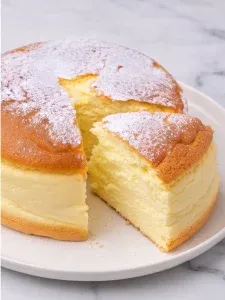
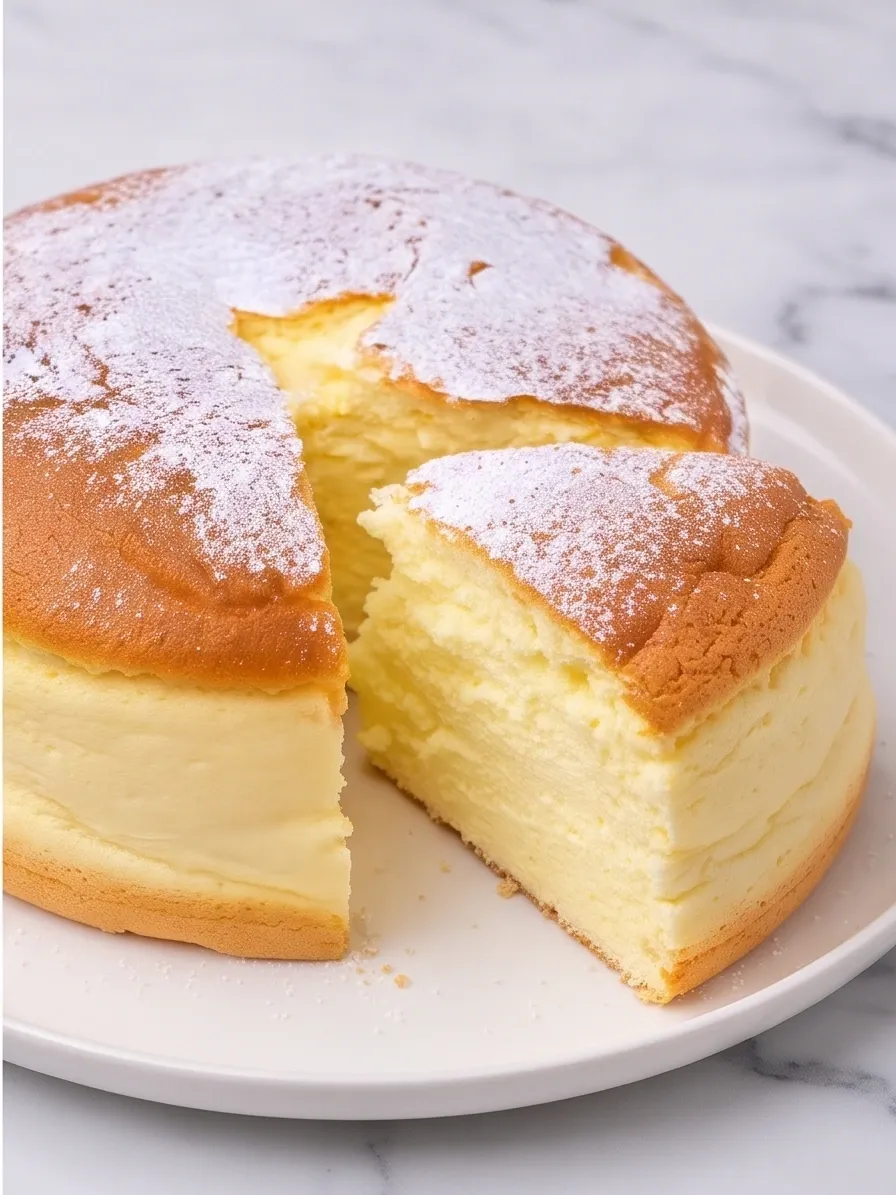
If you enjoy desserts that are delicate, light and not overly sweet, this Japanese Soufflé Cheesecake is a little slice of heaven. Its soft, cotton-like texture and gentle cream cheese flavor make it a lovely treat alongside an afternoon cup of tea or coffee.
It is a beautiful homemade dessert that feels special without being too rich. If you love this style of cake, you will also enjoy our Classic Japanese Cotton Cheesecake.
Why You’ll Make This Again
- Light and airy: a whipped meringue gives it a soft, cloud-like crumb.
- Not too sweet: gentle cream cheese flavor with a hint of lemon.
- Simple ingredients: everything is easy to find at the grocery store.
- Tea-time perfect: lovely with coffee, tea or a few fresh berries.
- Serves 8: a pretty dessert for family gatherings.
How This Comes Together
Melt the cream cheese, butter and milk over simmering water, then whisk in the yolks, sugar, vanilla and lemon. Sift in the flour and cornstarch, then fold in a glossy meringue. The cake bakes in a water bath, first at 320°F and then at 280°F, and rests in the turned-off oven so it stays tall and smooth.
What You’ll Need
- 8 ounces (½ lb) cream cheese, softened
- 6 large eggs, separated and at room temperature
- ⅓ cup whole milk
- ⅔ cup granulated sugar, divided
- ½ cup cake flour, sifted
- 3 tablespoons unsalted butter, softened
- 2 tablespoons cornstarch, sifted
- 1 tablespoon lemon juice
- 1 teaspoon vanilla extract
- ¼ teaspoon cream of tartar
- Powdered sugar, for dusting
Prep Time: 25 minutes | Cook Time: 70–75 minutes | Total Time: approximately 2 hours, including gradual cooling | Serves: 8
Estimated Nutrition: about 230 calories and 7 g protein per serving.
Step-by-Step Directions
Step 1: Prep the pan
Preheat the oven to 320°F. Grease an 8-inch round cake pan and line the bottom and sides with parchment paper, letting the sides extend above the rim.
Step 2: Melt the base
Place the cream cheese, butter and milk in a heatproof bowl over a saucepan of gently simmering water. Whisk until completely smooth, then remove from the heat and let cool slightly.
Step 3: Add the yolks
Add the egg yolks, half of the sugar, vanilla and lemon juice. Whisk until combined.
Step 4: Add the flour
Sift in the cake flour and cornstarch. Mix gently until the batter is smooth and free of lumps.
Step 5: Whip the whites
In a separate clean, dry bowl, beat the egg whites with the cream of tartar until foamy.
Step 6: Make the meringue
Gradually add the remaining sugar while beating until soft, glossy peaks form. Avoid beating until stiff or dry.
Step 7: Lighten the batter
Gently fold one-third of the meringue into the cream cheese batter.
Step 8: Fold in the rest
Fold in the remaining meringue in two additions, using gentle sweeping motions to keep the batter airy.
Step 9: Fill the pan
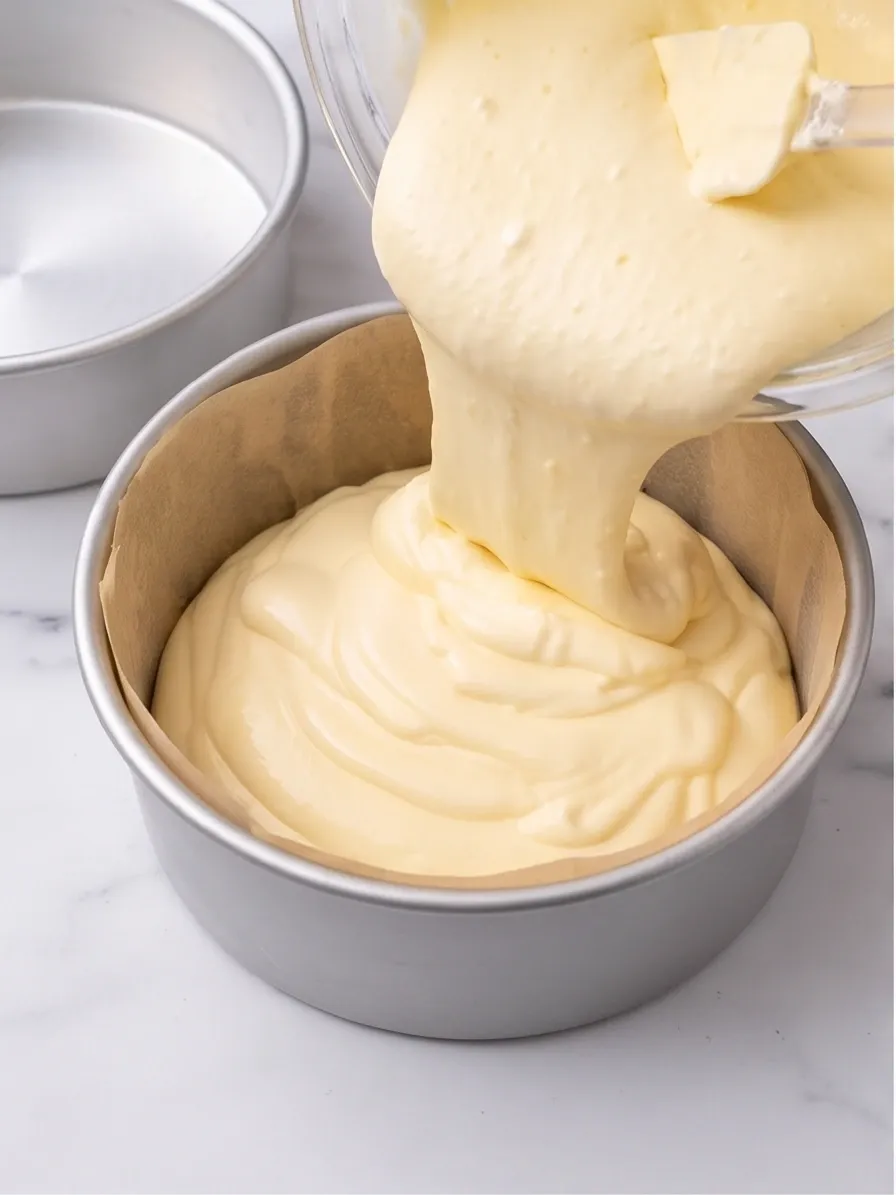
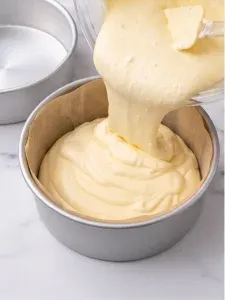
Pour the batter into the prepared pan. Tap gently once or twice to release large air bubbles.
Step 10: Set up the water bath
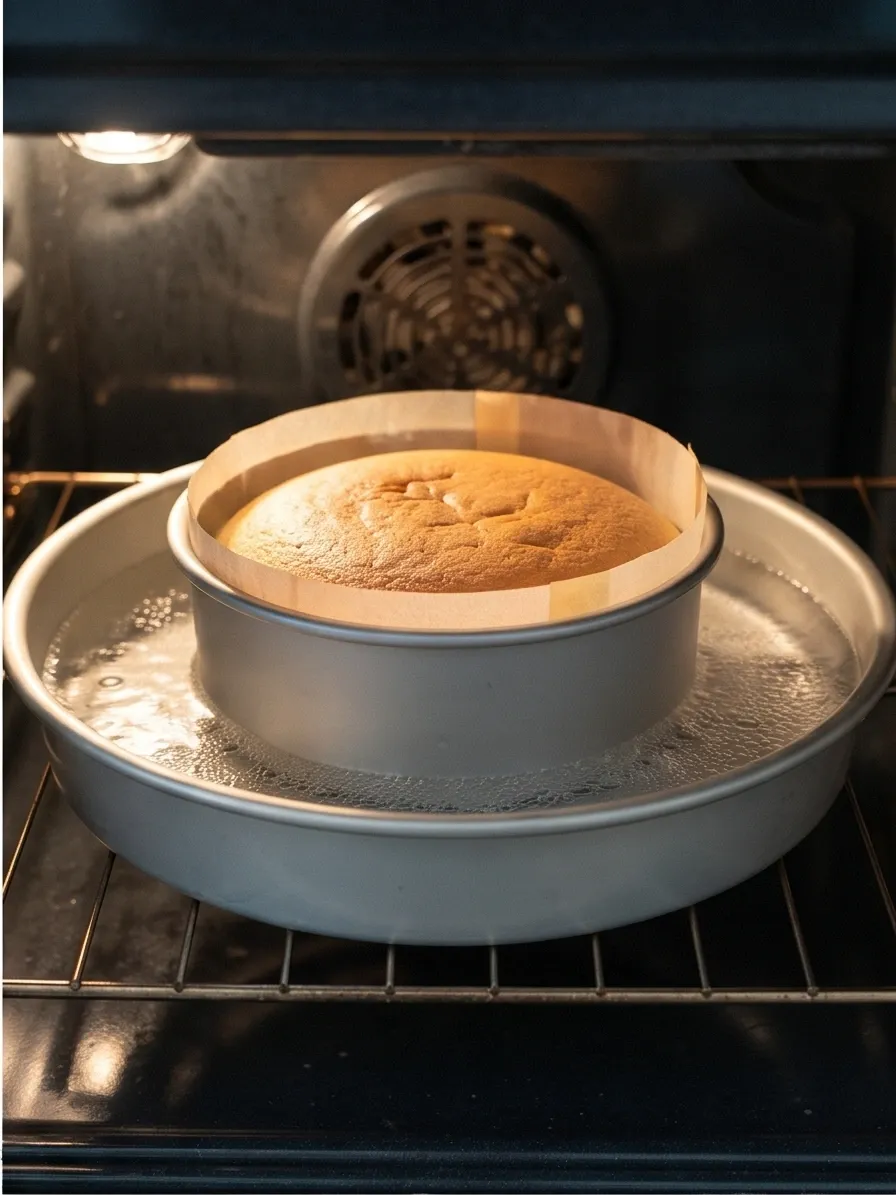
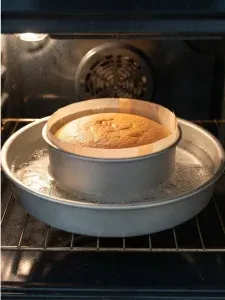
Place the cake pan inside a larger baking pan and carefully pour hot water into the larger pan until it reaches about 1 inch up the sides.
Step 11: Bake
Bake at 320°F for 25 minutes. Reduce the temperature to 280°F and bake 45–50 minutes more, until the top is golden and the center is set with a slight jiggle.
Step 12: Rest in the oven
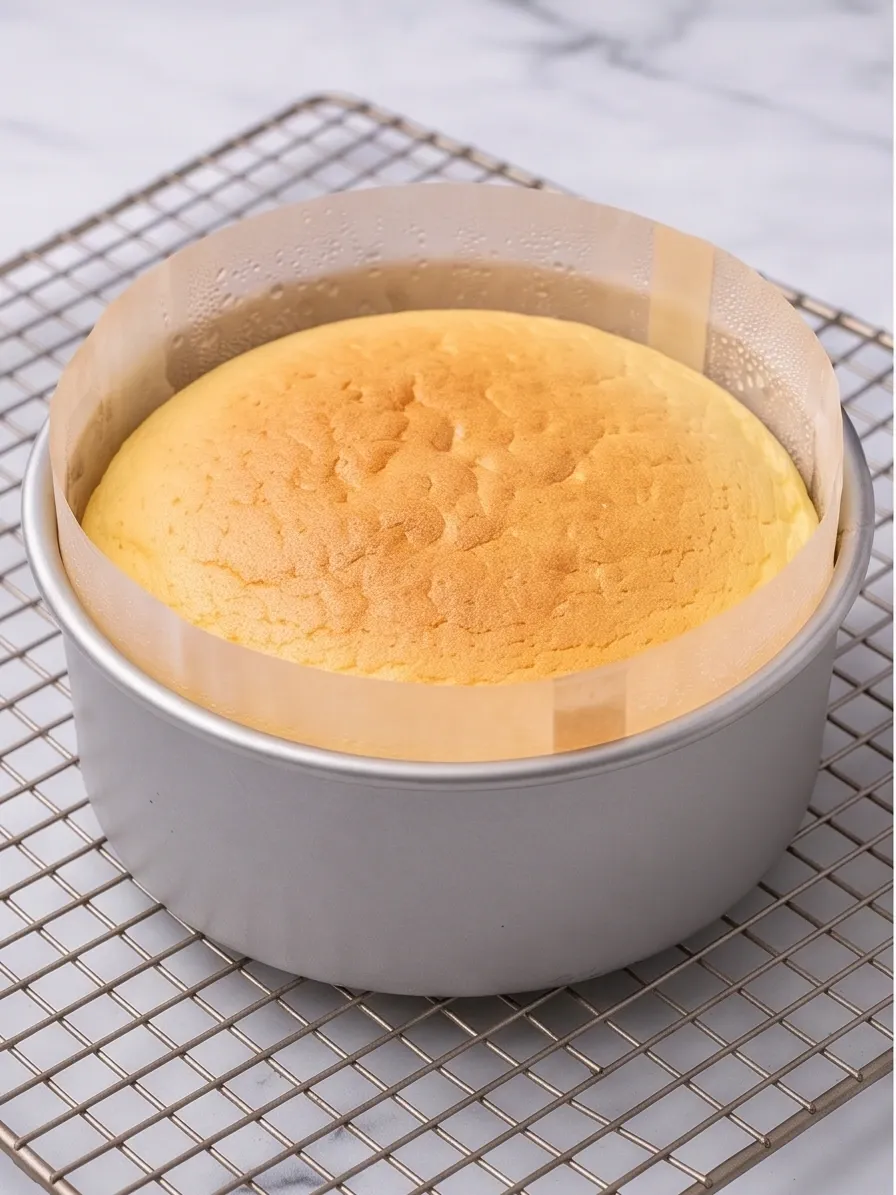
Turn off the oven and leave the cheesecake inside with the door slightly open for 15 minutes.
Step 13: Cool
Carefully remove the pan from the water bath and let the cheesecake cool slightly before removing it from the pan.
Step 14: Dust and serve
Dust with powdered sugar and serve slightly warm or chilled.
How to Serve It
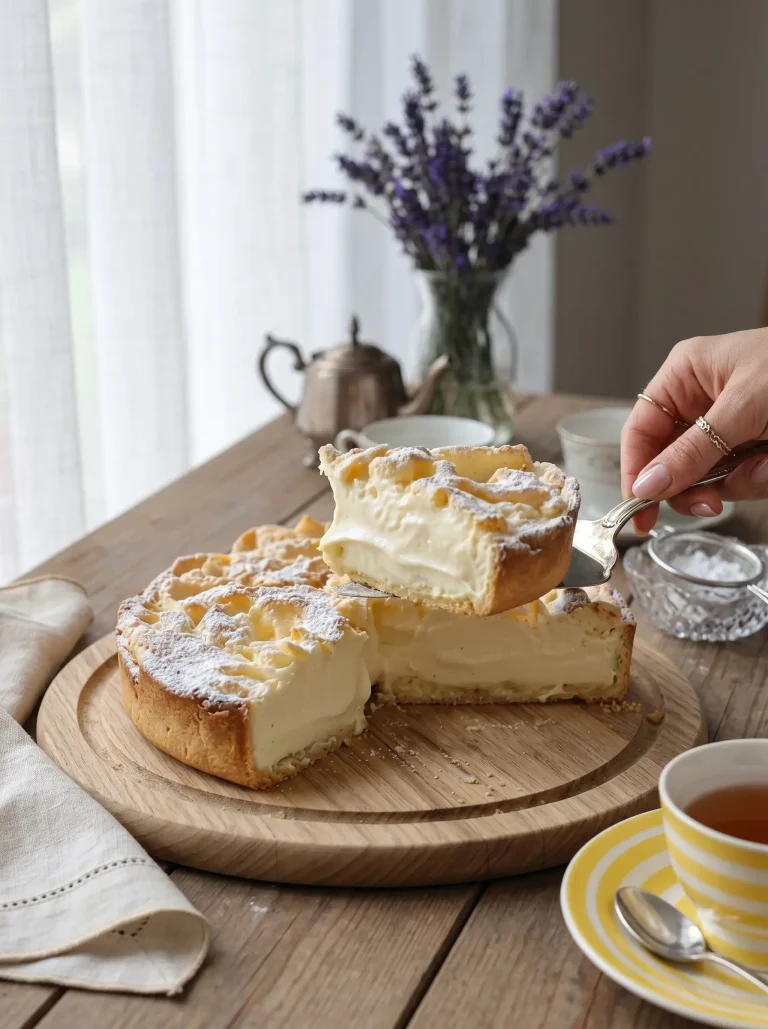
Dust with powdered sugar just before serving. Slice with a warm, wiped knife and serve with tea, coffee or fresh berries on the side.
Leftovers & Storage
Refrigerate leftovers, covered, for up to 3 days. Let slices sit for a few minutes at room temperature before serving, or enjoy them cold.
Make It Even Better: Pro Tips
- Use room-temperature eggs: they whip up higher and blend more smoothly.
- Keep the bowl clean and dry: any grease keeps the whites from whipping.
- Stop at soft peaks: stiff, dry meringue can cause cracks.
- Fold gently: broad sweeping motions keep the batter airy.
- Cool slowly: resting in the oven helps prevent sinking.
Easy Ways to Change It Up
- Citrus twist: add a little lemon or orange zest to the batter.
- Berry topping: serve with fresh strawberries or blueberries.
- Matcha version: sift in a teaspoon of matcha with the flour.
- Mini cakes: bake in small lined ramekins and shorten the time.
Quick Questions
Why did my cheesecake sink?
Overbeaten meringue or cooling too fast can cause sinking. Beat only to soft peaks and cool gradually in the oven.
Can I use all-purpose flour?
Cake flour gives the softest texture. If needed, use all-purpose flour, but the cake will be slightly less delicate.
Do I need a water bath?
Yes, the gentle steam keeps the cake moist and helps it rise evenly without cracking.
Can I make it ahead?
Yes, it keeps well in the fridge for up to 3 days and is also nice served chilled.
What is the difference from the cotton cheesecake?
Both are light, jiggly Japanese-style cakes. This one is made with six eggs and a cream cheese base melted over simmering water.
A Dessert as Light as a Cloud
This soufflé cheesecake is simple, elegant and wonderfully soft. Make it for your next tea time and watch it disappear.
Happy baking!
— Ava
Japanese Soufflé Cheesecake
Ingredients
Method
- Preheat the oven to 320°F. Grease an 8-inch round cake pan and line the bottom and sides with parchment paper. Let the parchment on the sides extend above the rim.
- Place the cream cheese, butter and milk in a heatproof bowl over a saucepan of gently simmering water. Whisk until completely smooth and melted. Remove from the heat and let cool slightly.
- Add the egg yolks, half of the sugar, vanilla extract and lemon juice. Whisk until combined.

- Sift in the cake flour and cornstarch. Mix gently until the batter is smooth and free of lumps.
- In a separate clean, dry bowl, beat the egg whites with the cream of tartar until foamy.
- Gradually add the remaining sugar while beating. Continue until soft, glossy peaks form. Avoid beating until stiff or dry.
- Gently fold one-third of the meringue into the cream cheese batter to lighten it.
- Fold in the remaining meringue in two additions, using gentle sweeping motions to keep the batter airy.
- Pour the batter into the prepared cake pan. Tap gently once or twice to release large air bubbles.
- Place the cake pan inside a larger baking pan. Carefully pour hot water into the larger pan until it reaches about 1 inch up the sides of the cake pan.
- Bake at 320°F for 25 minutes. Reduce the oven temperature to 280°F and continue baking for 45–50 minutes, until the top is golden and the center is set with a slight jiggle.
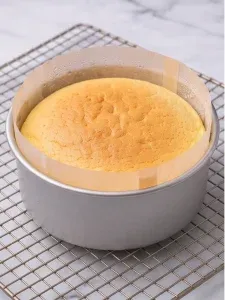
- Turn off the oven and leave the cheesecake inside with the door slightly open for 15 minutes.
- Carefully remove the cake pan from the water bath. Let the cheesecake cool slightly before removing it from the pan.
- Dust with powdered sugar and serve slightly warm or chilled. Refrigerate leftovers, covered, for up to 3 days.