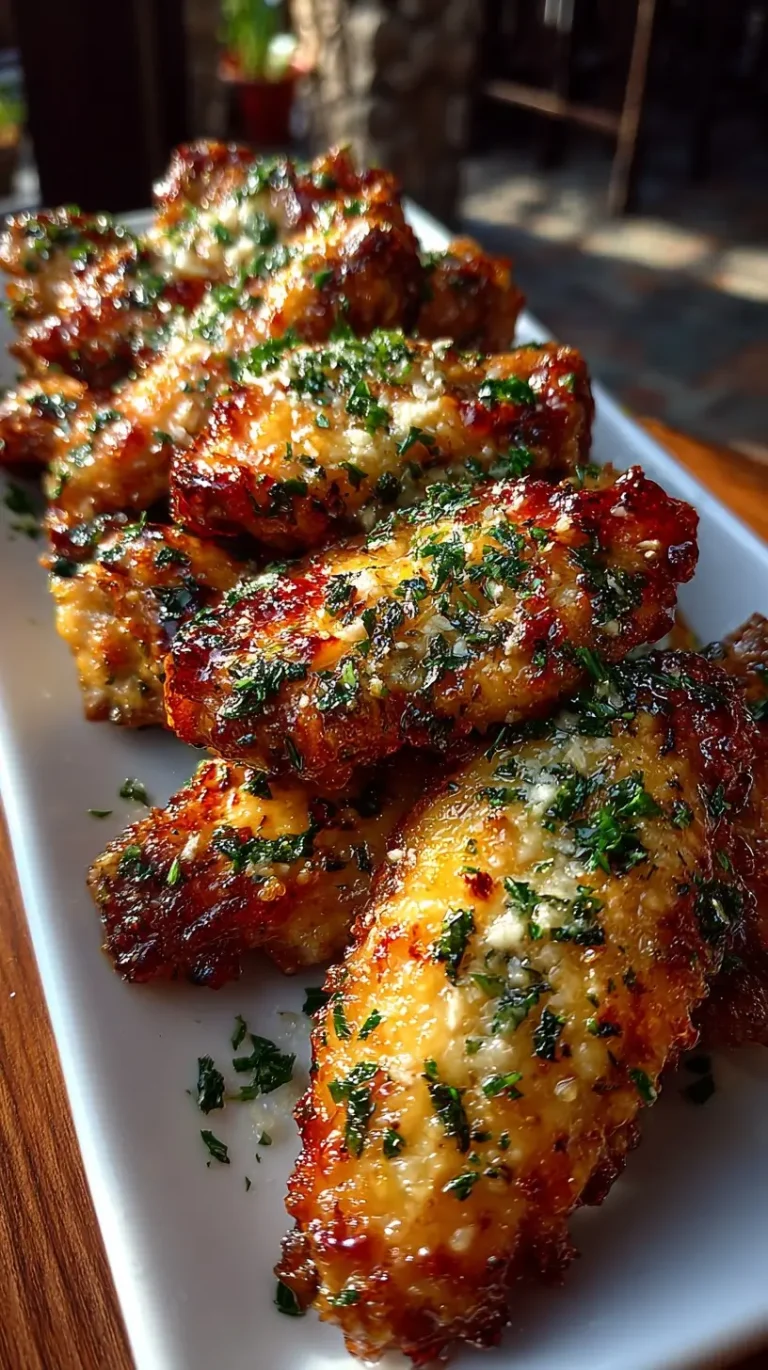
Some nights call for takeout. Other nights you realize you can make something better at home in exactly the same amount of time. This beef lo mein with vegetables is one of those recipes — tender marinated beef, colorful crisp-tender vegetables, and perfectly sauced noodles all coming together in one skillet in just 30 minutes. Deeply savory, glossy, and completely satisfying in a way that makes every delivery app feel completely unnecessary. This is the weeknight dinner that always earns genuine excitement at the table.
One pan, simple pantry ingredients, and a result that is faster than delivery and significantly better than the box. Homemade lo mein starts tonight.
Why You’ll Make This Again
The cornstarch marinade on the beef is the restaurant technique that makes all the difference — a process called velveting that coats each slice of beef in a protective starch layer before it hits the hot pan. The cornstarch seals in the juices and creates a beautifully browned exterior while keeping the interior incredibly tender and moist in a way that plain stir-fried beef simply never achieves. Combined with that deeply savory sauce — soy sauce, oyster sauce, sesame oil, and beef broth thickened with a cornstarch slurry into something glossy and clingy that coats every single noodle and piece of vegetable — the result is a lo mein that genuinely tastes like your favorite Chinese restaurant made it in your own kitchen. Once you make this you will never order lo mein again.
This works beautifully all year round as a quick weeknight dinner but is especially wonderful on busy evenings when you want something genuinely satisfying and impressive on the table in under 30 minutes without any complicated technique or specialty ingredients.
How This Comes Together
Marinate the beef, cook the noodles, stir-fry the beef, stir-fry the vegetables, add the sauce, thicken with the slurry, toss in the noodles, and serve. Everything happens in one skillet in a logical sequence that builds layers of flavor from start to finish. The most important rule is cooking each component separately — beef first, then vegetables — before bringing everything together in the sauce. Cooking everything simultaneously drops the temperature of the pan dramatically and produces steamed, pale ingredients instead of properly stir-fried ones with that essential wok-kissed color and texture that makes restaurant lo mein so irresistible.
What You’ll Need
Simple pantry and fresh ingredients across three easy components. Slice the beef as thin as possible — thin slices cook faster, absorb the marinade more completely, and stay more tender through the high-heat stir-fry.
- 1 lb beef sirloin, thinly sliced
- 2 tbsp soy sauce (for marinade)
- 1 tbsp cornstarch (for marinade)
- 8 oz lo mein noodles or spaghetti
- 1 onion, thinly sliced
- 1 cup carrots, sliced
- 1 cup bell peppers, sliced
- 1 cup broccoli florets
- 1 cup snow peas
- 2 tbsp vegetable oil, divided
- 2 cloves garlic, minced
- 1/4 cup soy sauce
- 2 tbsp oyster sauce
- 1 tsp sesame oil
- 1/4 cup beef broth
- 1 tbsp cornstarch mixed with 1 tbsp water
- Green onions, chopped, for garnish
- Sesame seeds (optional)
Step-by-Step Directions
Step 1: Marinate the Beef & Prep the Vegetables
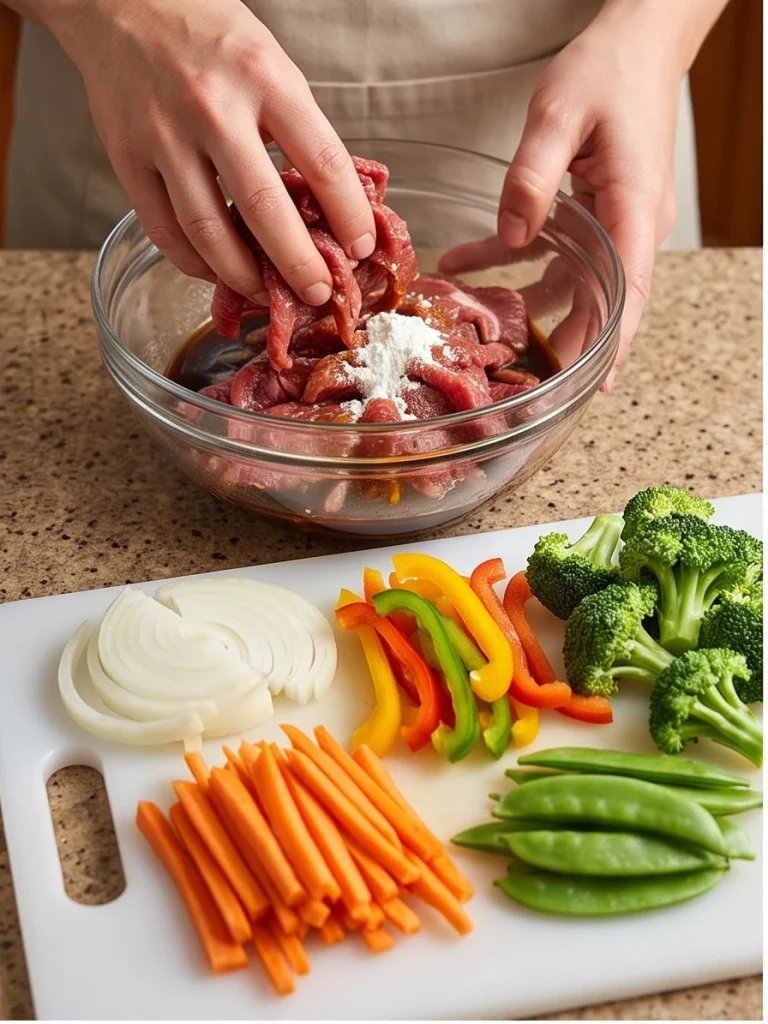
In a medium bowl, toss the thinly sliced beef with the soy sauce and cornstarch until evenly coated. Let it marinate for 10–15 minutes while preparing the vegetables. Slice the onion and bell peppers, cut the carrots into matchsticks, separate the broccoli into small florets, and trim the snow peas.
Step 2: Sear the Beef
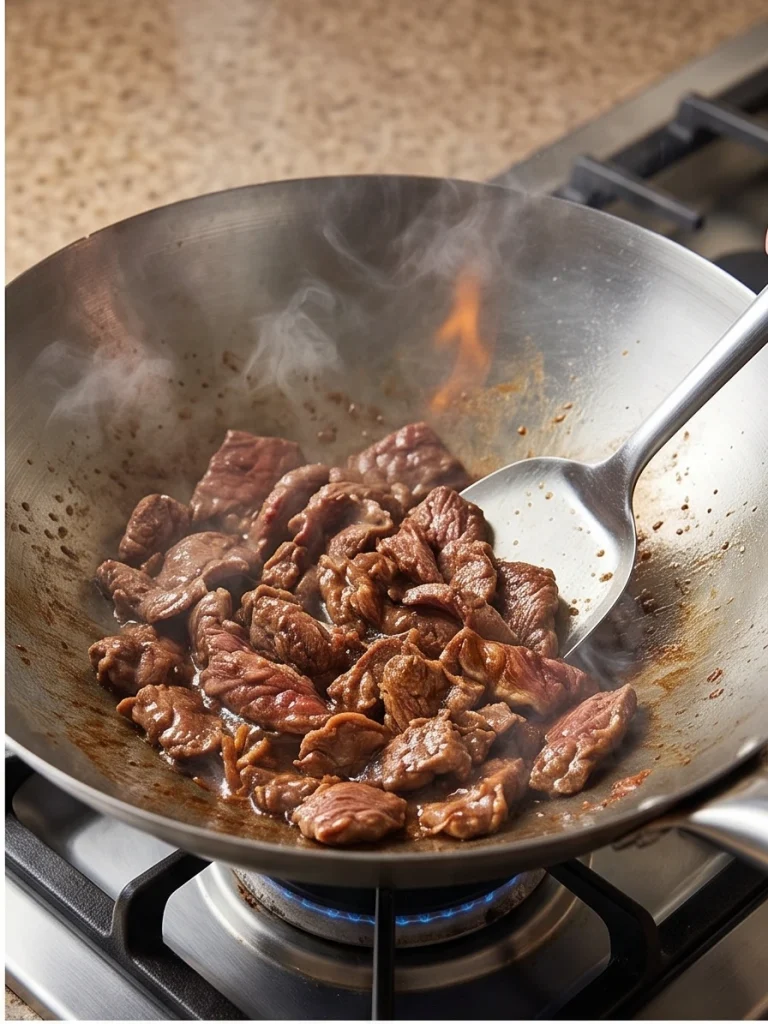
Heat the vegetable oil in a large wok or skillet over medium-high heat until very hot. Add the marinated beef in a single layer and stir-fry for 4–5 minutes, stirring occasionally, until browned and just cooked through. Remove the beef from the wok and set aside.
Step 3: Stir-Fry the Vegetables & Add the Sauce
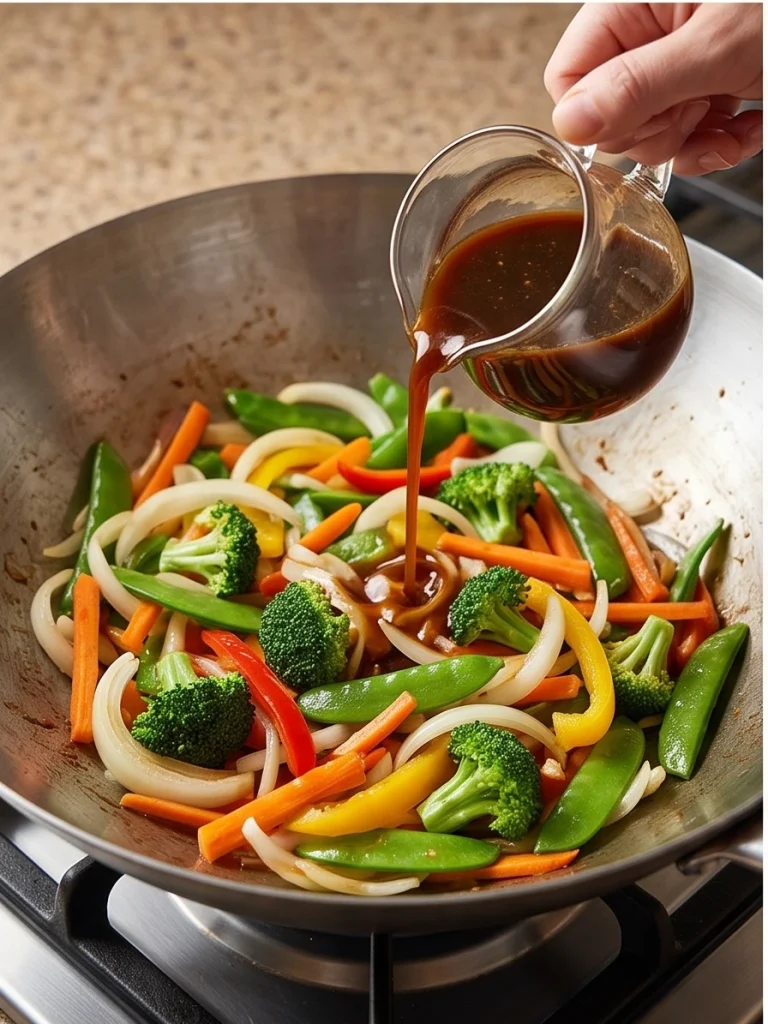
Add the onion, garlic, carrots, bell peppers, broccoli, and snow peas to the same wok. Stir-fry for 5–7 minutes until the vegetables are crisp-tender. Return the cooked beef to the wok, then pour in the prepared sauce (soy sauce, oyster sauce, sesame oil, beef broth, and cornstarch slurry). Toss everything together and cook for 1–2 minutes, until the sauce thickens and coats the beef and vegetables.
Step 4: Toss with the Noodles
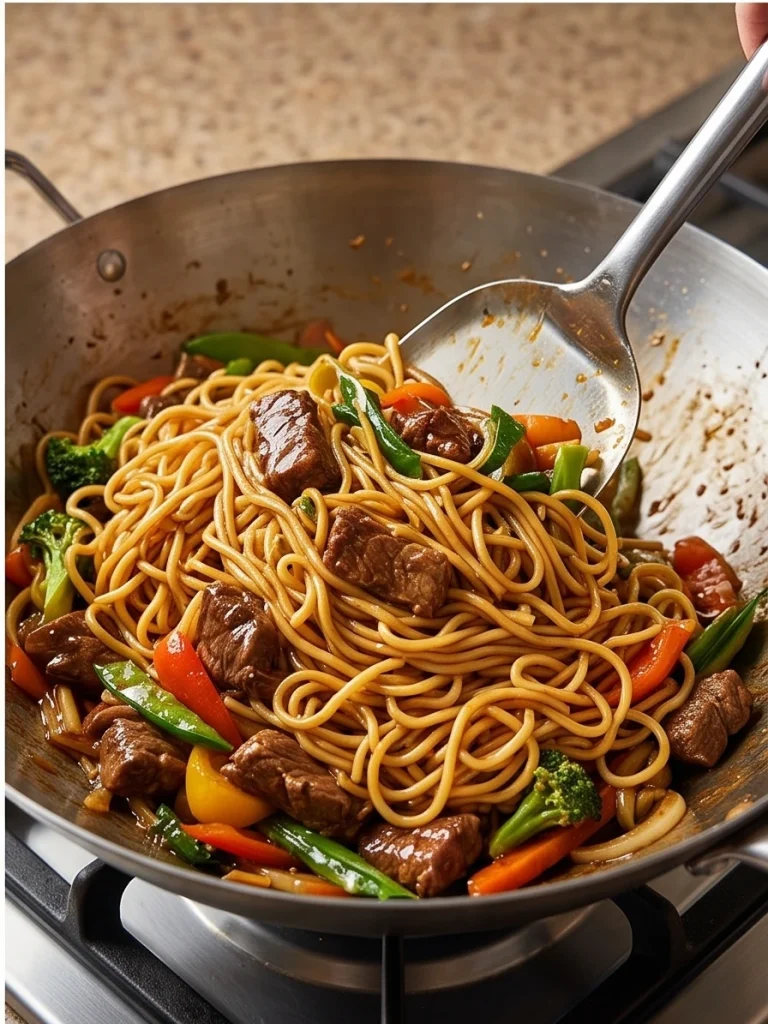
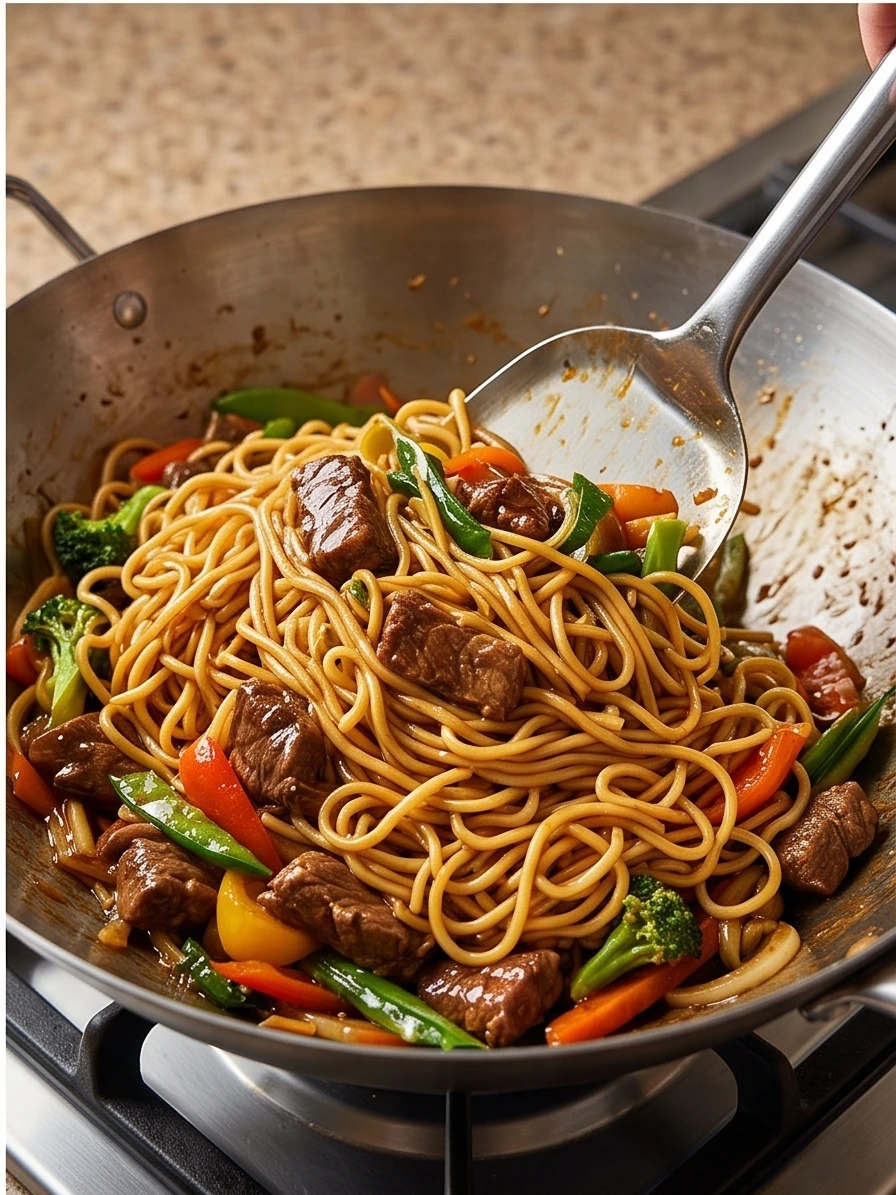
Add the cooked lo mein noodles to the wok and toss thoroughly until the noodles are evenly coated with the sauce and mixed with the beef and vegetables. Serve immediately, garnished with sliced green onions and sesame seeds if desired.
How to Serve It
Divide the lo mein into wide bowls or plates and scatter extra green onions and a generous sprinkle of sesame seeds over the top while still steaming hot. It looks absolutely gorgeous presented this way — the glossy, sauce-coated noodles, the colorful vegetables, and the tender beef make a bowl that looks as good as anything from a restaurant and smells even better. Serve immediately for the best texture — lo mein is at its finest within the first few minutes of tossing, when the noodles are perfectly coated and the vegetables still have their tender-crisp texture. For a complete Asian-inspired spread, serve alongside our Shrimp Fried Rice for a feast that genuinely rivals any takeout spread.
Leftovers & Storage
Store leftover lo mein in an airtight container in the fridge for up to 3 days. Reheat in a hot skillet with a small splash of soy sauce and a drizzle of sesame oil over medium-high heat for 3–4 minutes, tossing frequently, until heated through. The skillet reheating method gives a significantly better result than the microwave — the noodles regain some of their texture and the sauce comes back to life with that glossy, clingy quality that makes lo mein so satisfying. The microwave works in a pinch but add a splash of water and cover before heating to prevent the noodles from drying out. This dish does not freeze well — the noodles become mushy and the vegetables lose their texture after thawing.
Make It Even Better (Pro Tips)
- Freeze the beef for 20 minutes before slicing — partially frozen beef is significantly easier to slice paper thin than fresh beef straight from the fridge.
- Marinate for the full 10 to 15 minutes — the cornstarch velveting process needs time to work properly and creates noticeably more tender beef than a quick toss right before cooking.
- Use the highest heat your stove allows when stir-frying — high heat is what creates the light char and deep color on the beef and vegetables that defines great restaurant-style lo mein.
- Mix all the sauce ingredients together in a bowl before starting to cook — having the sauce ready to pour in immediately when needed keeps the stir-fry moving quickly without anything overcooking while you measure.
- Cook the noodles until just barely tender — slightly underdone noodles that finish cooking in the sauce absorb the flavors beautifully and never become mushy in the finished dish.
- Don’t overcrowd the skillet — if your pan is small, stir-fry the beef in two batches. Overcrowding drops the temperature and produces pale, steamed beef instead of properly browned stir-fried beef.
- Add the sesame oil to the sauce rather than the pan — sesame oil has a low smoke point and its delicate, nutty flavor is best preserved when it is part of the sauce rather than used as a cooking oil.
Easy Ways to Change It Up
- Chicken version: Swap the beef sirloin for thinly sliced chicken breast or thigh — use the same marinade and cooking time for an equally delicious chicken lo mein with the same beautifully tender, sauced result.
- Shrimp lo mein: Replace the beef with peeled and deveined shrimp — stir-fry for just 2 minutes per side until pink and set aside before cooking the vegetables for a lighter but equally satisfying seafood version.
- Spicy version: Add a tablespoon of chili garlic sauce or a teaspoon of red pepper flakes to the sauce mixture for a lo mein with a bold, warming heat that is completely addictive.
- Vegetarian option: Omit the beef and beef broth — substitute with firm tofu pressed and cubed for protein and vegetable broth in the sauce for a completely plant-based lo mein that is just as satisfying.
- Different noodles: Use udon noodles, ramen noodles, or rice noodles instead of lo mein noodles for a different texture and flavor base that works beautifully with the same sauce and vegetables.
Quick Questions
Can I use a different cut of beef?
Yes — flank steak, skirt steak, and ribeye all work well sliced thin for lo mein. Avoid very tough cuts like chuck or round that need long braising times to become tender — the quick stir-fry method doesn’t give these cuts enough time to soften properly. Whatever cut you use, always slice against the grain to shorten the muscle fibers and produce the most tender result possible in the finished dish.
Can I substitute the oyster sauce?
Yes — hoisin sauce is the most widely recommended substitute for oyster sauce and gives a slightly sweeter, more complex flavor that works beautifully in this lo mein sauce. For a completely oyster-free and vegan alternative, mushroom sauce gives a similar deep, savory umami flavor without any seafood ingredients. The finished sauce will taste slightly different but still deeply delicious and satisfying in every bowl.
What if I can’t find lo mein noodles?
Spaghetti is the most widely available and perfectly suitable substitute for lo mein noodles — it has a very similar texture and diameter and works beautifully with this sauce. Cook it slightly less than the package directions suggest — al dente spaghetti holds up better in the stir-fry toss than fully cooked pasta. Linguine, fettuccine, or any long thin pasta also works well as a substitute if that is what you have available.
Make this beef lo mein with vegetables for dinner tonight instead of ordering takeout and discover just how much better homemade always is. Tried it? Leave a comment below and tell me what vegetables you added to your pan! — AVA
Beef Lo Mein with Vegetables
Ingredients
Equipment
Method
- Toss the sliced beef with 2 tablespoons soy sauce and 1 tablespoon cornstarch until evenly coated. Let marinate for 10–15 minutes.
- Cook the lo mein noodles according to package directions until just tender. Drain and set aside.
- Heat 1 tablespoon vegetable oil in a large skillet or wok over medium-high heat. Stir-fry the marinated beef for 4–5 minutes until browned. Remove and set aside.
- Add the remaining tablespoon of vegetable oil to the skillet. Stir-fry the onion, garlic, carrots, bell peppers, broccoli, and snow peas for 5–7 minutes until crisp-tender.
- Return the cooked beef to the skillet.
- Whisk together the soy sauce, oyster sauce, sesame oil, and beef broth. Pour over the beef and vegetables.
- Stir in the cornstarch slurry and cook for 1–2 minutes until the sauce thickens and becomes glossy.
- Add the cooked noodles and toss until evenly coated with the sauce.
- Garnish with chopped green onions and sesame seeds if desired. Serve immediately.