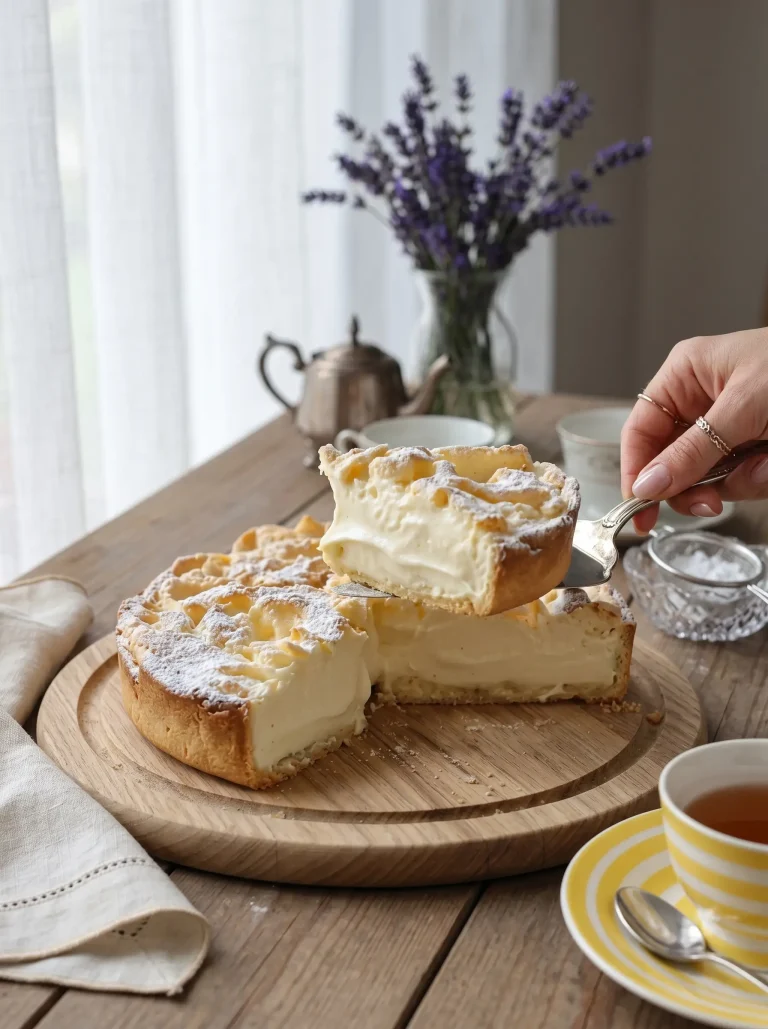
Some desserts are elaborate. Some desserts are unforgettable. And some desserts are both of those things while being made from nothing more than three ingredients you already have at home. This 3-ingredient baked egg custard is exactly that kind of recipe — silky, lightly sweet, and deeply comforting in a way that only the most honest, timeless desserts can be. Eggs, whole milk, and sugar baked low and slow in a water bath until perfectly set and impossibly smooth. This is the dessert that tastes like Sunday dinner at grandma’s house.
Five minutes of prep, one bowl, and 45 minutes of patient oven time. Some of the most beautiful desserts really are this simple.
Why You’ll Make This Again
There is something almost magical about what happens when eggs, milk, and sugar go into a gentle oven together. The egg proteins set slowly and evenly in the low heat, the sugar dissolves into the milk and creates a delicate sweetness that is never cloying, and the result is a custard that is silky, smooth, and tremblingly soft in the center in a way that no other dessert quite replicates. Served warm it is one of the most comforting things you will ever put on a dessert plate — served chilled it becomes even creamier and more set, like the most elegant pudding you have ever tasted. Three ingredients and this much depth of flavor and texture is genuinely remarkable.
This is the perfect all-season dessert — warming and comforting in fall and winter, cool and refreshing served chilled in spring and summer. It works beautifully as a simple weeknight dessert, a nostalgic family dinner ending, or a quietly elegant dinner party finale that impresses everyone without any effort at all.
How This Comes Together
Whisk the eggs, dissolve the sugar, add the milk, strain, pour into a dish, set in a water bath, and bake. The entire hands-on time is less than 5 minutes — the oven and the water bath do the real work from there. The water bath is the non-negotiable step that makes all the difference between a silky, perfectly set custard and a curdled, weepy one — the surrounding hot water regulates the oven heat and protects the delicate egg proteins from cooking too fast or too unevenly. Never skip the water bath and your custard will be perfect every single time.
What You’ll Need
Just three ingredients. Use whole milk for the richest, creamiest custard — low-fat or skimmed milk produces a thinner, less satisfying result that never quite achieves the same silky texture.
- 4 large eggs
- 2 cups whole milk
- 1/2 cup granulated sugar
Step-by-Step Directions
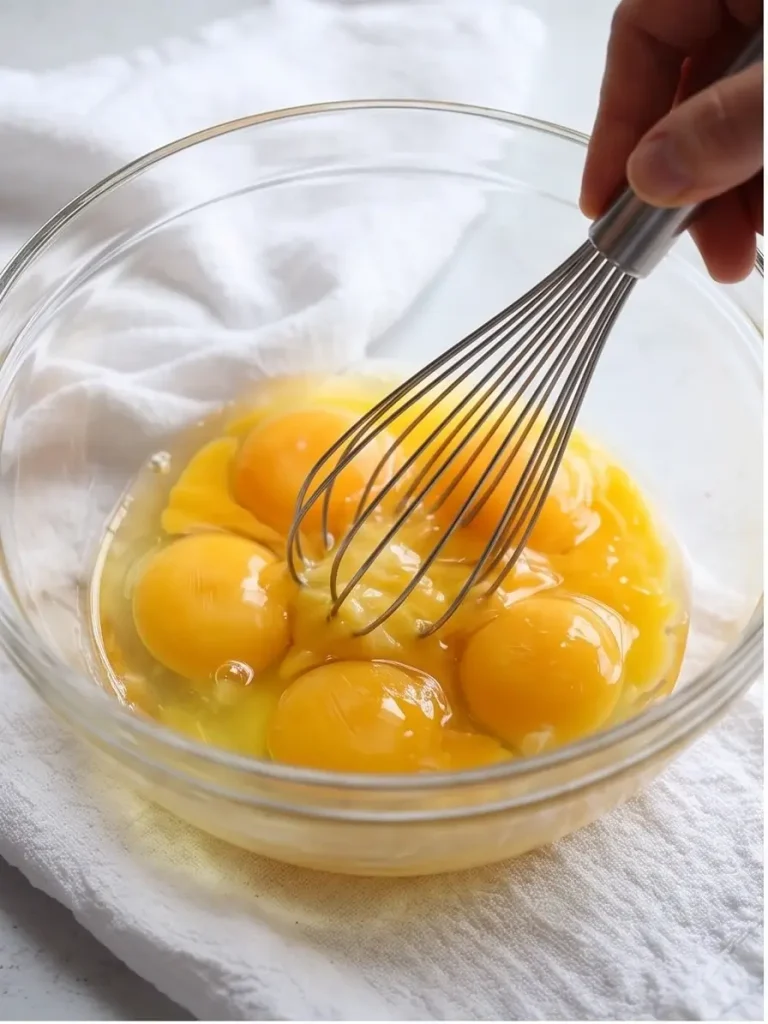
Step 1: Whisk the Eggs
Crack the eggs into a large bowl and whisk until completely smooth with no streaks of egg white remaining.
Step 2: Add the Sugar and Milk
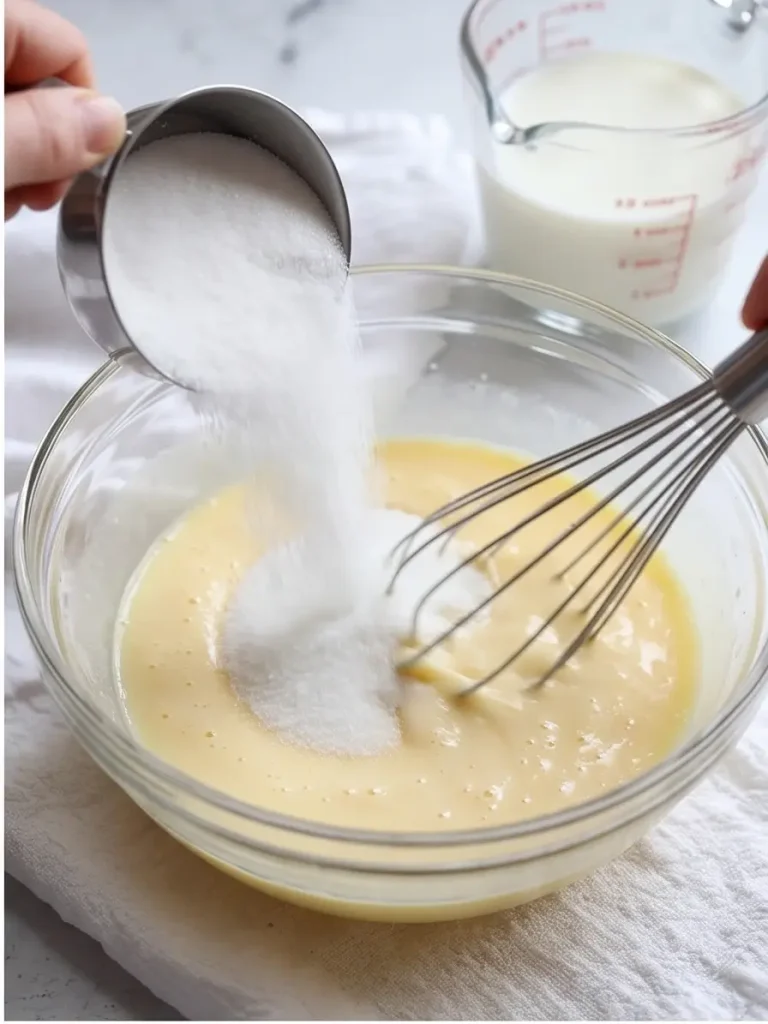
Whisk the granulated sugar into the eggs until dissolved, then slowly pour in the whole milk while whisking continuously until the custard mixture is smooth and fully combined.
Step 3: Fill the Ramekins
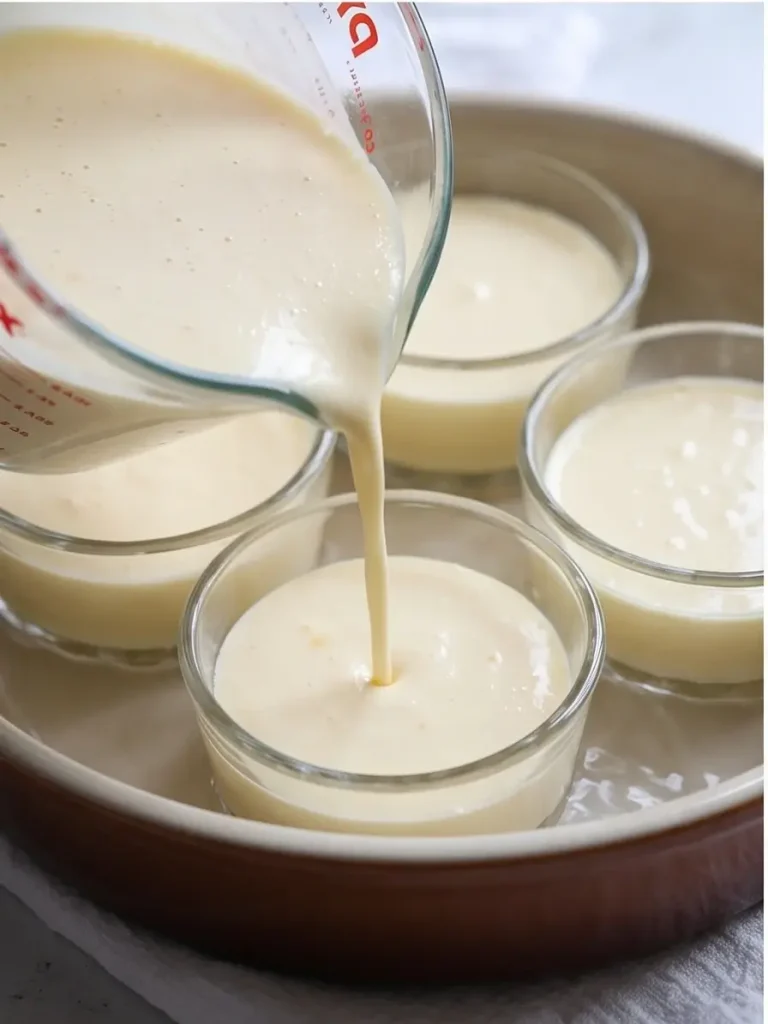
For the smoothest custard, strain the mixture through a fine-mesh sieve if desired, then pour it evenly into greased ramekins. Place the ramekins in a larger baking dish and add hot water halfway up the sides before baking at 325°F for 40–45 minutes, until the edges are set and the centers still jiggle slightly.
Step 4: Cool and Serve
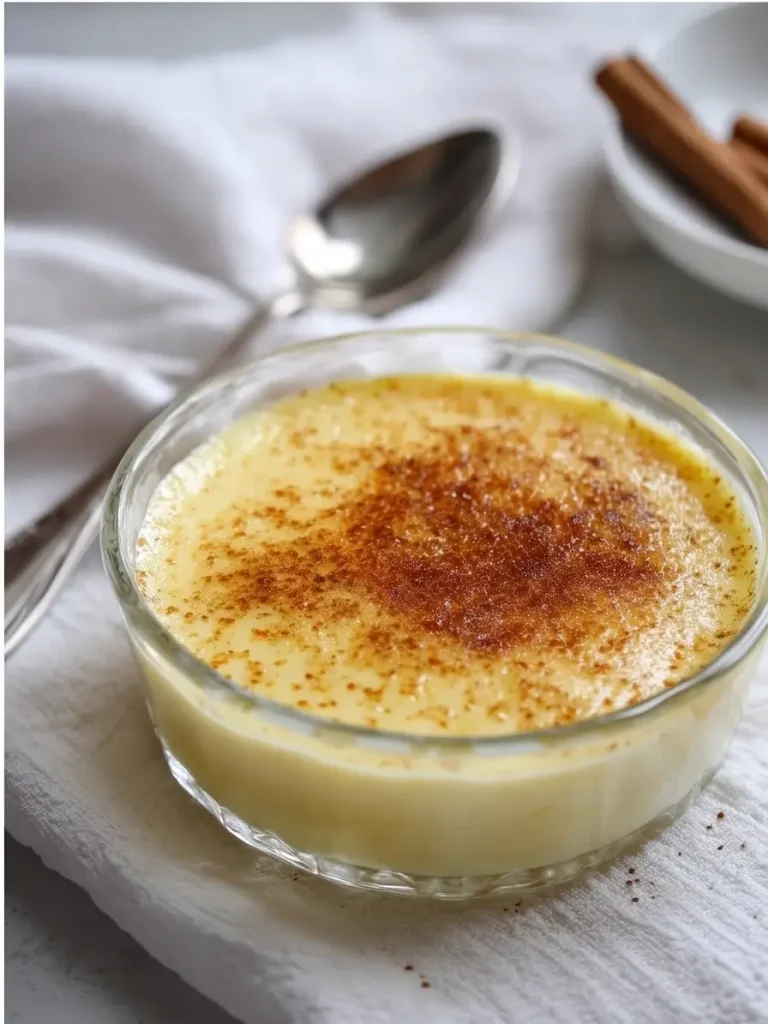
Carefully remove the ramekins from the water bath and let the custards cool slightly. Serve warm with a light sprinkle of ground cinnamon, or chill until fully set for a creamier texture.
How to Serve It
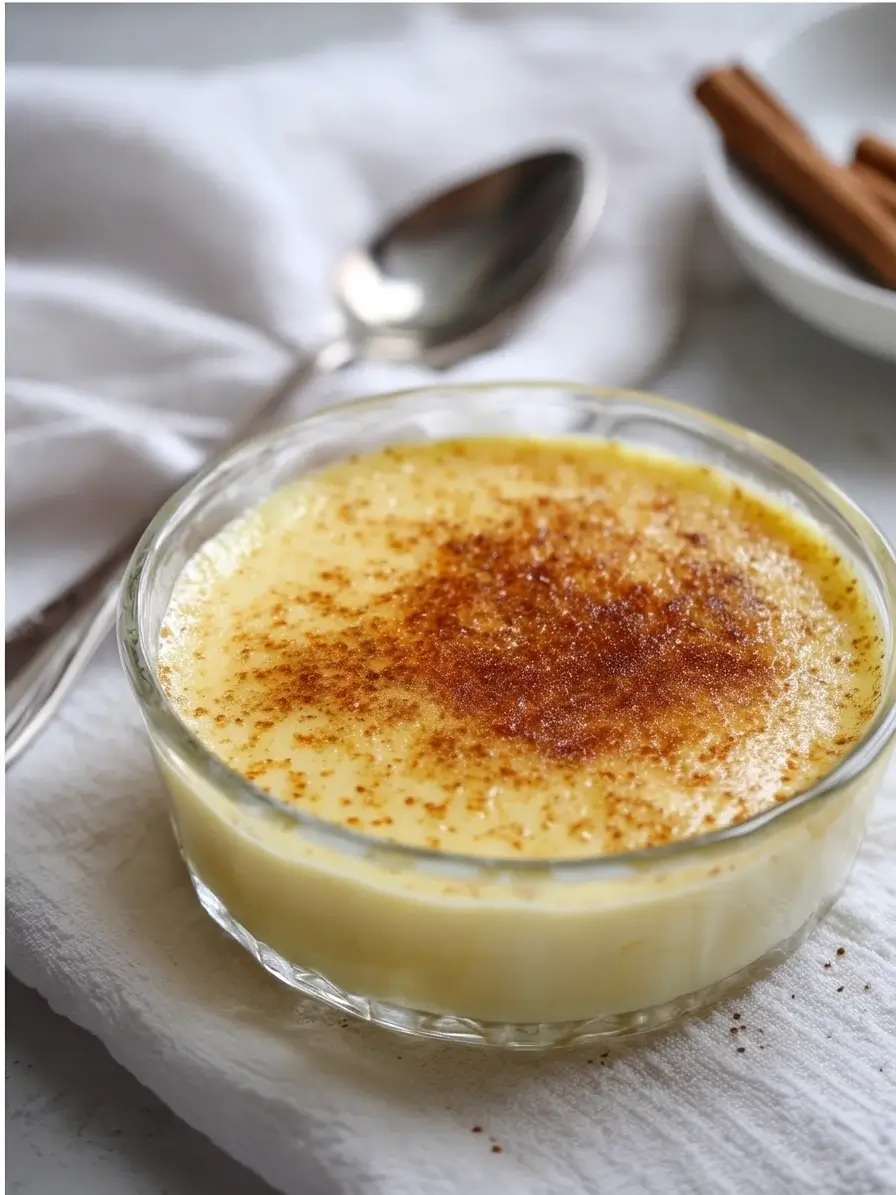
Serve warm custard directly from the ramekins or baking dish with a light dusting of freshly grated nutmeg or a sprinkle of cinnamon over the top for a classic, beautiful presentation. A small dollop of softly whipped cream alongside and a few fresh berries — raspberries, strawberries, or blueberries — makes each portion look genuinely stunning while adding a bright, fresh contrast to the rich, creamy custard. For a dinner party, serve individual ramekins on small dessert plates with a teaspoon resting alongside for an elegant, understated presentation that feels far more impressive than three ingredients have any right to look. If you enjoy simple baked desserts, our Applesauce Cobbler is another wonderfully comforting recipe made with just a handful of pantry staples.
Leftovers & Storage
Cover the cooled custard tightly with plastic wrap and store in the fridge for up to 3 days. The custard continues to set and firm up as it chills and is genuinely wonderful served cold straight from the fridge — many people actually prefer it chilled over warm. Do not freeze custard — the egg proteins break down during freezing and thawing and the texture becomes grainy, watery, and completely loses that beautiful silky smoothness that makes this dessert so special. Make it fresh each time — at just 5 minutes of prep it is quick enough to make whenever you need it.
Make It Even Better (Pro Tips)
- Whisk the eggs gently rather than vigorously — too much air beaten into the eggs creates bubbles on the surface of the baked custard rather than the smooth, glassy top that makes it look so beautiful.
- Always strain the mixture through a fine-mesh sieve before pouring into the dish — this removes any unbeaten egg white strands or lumps that would create an uneven texture in the finished custard.
- Use hot water in the water bath rather than cold — cold water takes too long to heat up in the oven and the custard starts baking unevenly before the water reaches the right temperature.
- Check for doneness at the 40-minute mark — the custard should jiggle like set gelatin in the center when gently shaken. If the whole surface moves in waves it needs more time.
- Don’t overbake — an overbaked custard develops small holes throughout the interior and a slightly grainy texture rather than the perfectly smooth, silky result you are looking for.
- Use room temperature eggs and milk — cold eggs and milk take longer to set evenly and can result in an unevenly cooked custard with a harder edge and undercooked center.
- Add a teaspoon of pure vanilla extract to the mixture for a more aromatic, classic custard flavor that elevates this simple recipe beautifully without adding a single extra ingredient to the shopping list.
Easy Ways to Change It Up
- Classic vanilla custard: Add 1 teaspoon of pure vanilla extract and a grating of fresh nutmeg over the top before baking for the most classic, aromatic version of this timeless dessert.
- Nutmeg finish: Grate fresh nutmeg generously over the surface of the custard before baking for a warm, spiced flavor that is the traditional topping for old-fashioned baked egg custard.
- Coconut milk version: Replace the whole milk with full-fat coconut milk for a subtly tropical, dairy-free custard with a slightly richer, more indulgent flavor.
- Caramel base: Pour a thin layer of caramel sauce into the bottom of each ramekin before adding the custard mixture for a crème caramel-inspired version that unmolds beautifully onto a plate.
- Brown sugar variation: Replace the granulated sugar with an equal amount of packed light brown sugar for a deeper, more caramel-like sweetness that makes the custard taste even more warmly comforting.
Quick Questions
Why does my custard have bubbles on top?
Bubbles on the surface of a baked custard are caused by whisking the egg mixture too vigorously and incorporating too much air before baking. Whisk gently and slowly when combining the eggs, sugar, and milk rather than beating aggressively. Straining the mixture through a fine-mesh sieve also removes a significant amount of surface foam and air bubbles before pouring into the dish — if bubbles remain on the surface after pouring, pop them by passing a kitchen torch briefly over the surface or touching them gently with a paper towel.
Why is my custard watery or curdled?
A watery or curdled custard is almost always caused by overbaking or by an oven temperature that is too high. The egg proteins in custard are delicate and seize and separate when exposed to too much heat too quickly — resulting in a grainy, weepy texture rather than a smooth, silky one. Always bake at 325°F, always use the water bath, and pull the custard from the oven the moment the center has a slight but definite jiggle rather than waiting for it to look fully firm.
Can I make this without ramekins?
Yes — a small ceramic or glass baking dish works perfectly well for this recipe. An 8×8 inch dish or a similar sized oval baking dish holds the full recipe beautifully. The baking time may increase slightly for a larger, deeper dish — begin checking at 45 minutes and continue baking until the edges are set and the center still jiggles gently. The water bath remains essential regardless of which dish you use.
Make this 3-ingredient baked egg custard for your next family dinner and bring a little old-fashioned comfort and elegance to your dessert table. Tried it? Leave a comment below and tell me whether you served it warm or chilled!— AVA
3-Ingredient Baked Egg Custard
Ingredients
Equipment
Method
- Preheat oven to 325°F. Lightly grease a small baking dish or four individual ramekins.
- In a large bowl, whisk the eggs until completely smooth with no streaks of egg white remaining.
- Add the granulated sugar and whisk until fully dissolved and the mixture is smooth.
- Slowly pour in the whole milk while whisking gently until completely combined.
- Strain the mixture through a fine-mesh sieve into the prepared baking dish or ramekins.
- Place the baking dish inside a larger baking pan and carefully pour hot water into the outer pan until it reaches halfway up the sides of the custard dish.
- Bake for 40–45 minutes until the edges are set and the center has a slight jiggle.
- Carefully remove the custard from the water bath and allow it to cool slightly.
- Serve warm, or refrigerate until chilled for an even creamier texture.