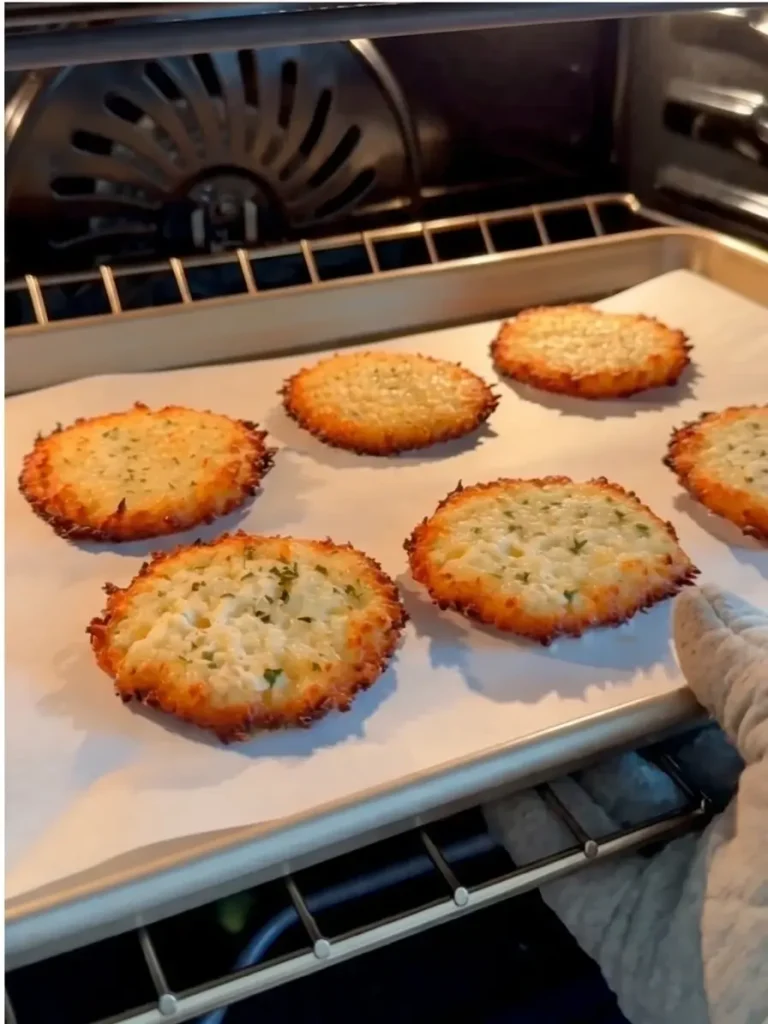
Some recipes surprise you completely. Two ingredients, 25 minutes, and a result that genuinely tastes like a proper flatbread — soft, slightly chewy, lightly golden, and substantial enough to fold, slice, wrap, and fill in every way you would use a regular flatbread. This 2-ingredient cottage cheese flatbread is one of those genuinely clever recipes that earns a permanent place in your weekly routine the very first time you make it — high in protein, naturally gluten-free, endlessly versatile, and so simple that you will wonder why you never thought of it before. Five minutes of prep, 20 minutes in the oven, and something genuinely useful and delicious waiting at the end.
Two servings from one batch, made entirely from cottage cheese and eggs. This flatbread is about to change the way you think about easy homemade bread entirely.
Why You’ll Make This Again
The science behind this flatbread is simple and genuinely clever. Blended cottage cheese becomes completely smooth and liquid-like, losing all its curd texture and turning into a thick, protein-rich base. The eggs bind the cottage cheese during baking, setting the mixture into a flexible, slightly chewy sheet that peels cleanly from the parchment and holds its shape when folded or sliced. The result tastes mildly savory and slightly tangy from the cottage cheese, with a texture that is soft and pliable rather than crumbly or eggy — significantly closer to a proper flatbread than any two-ingredient recipe made entirely from dairy and eggs has any business being. It is genuinely impressive what two humble refrigerator staples can produce in just 25 minutes.
This flatbread works beautifully all year round as a quick breakfast base, a healthy lunch wrap, a light snack, or a creative low-carb alternative to traditional bread in any meal. Once you make it once you will find yourself reaching for this recipe constantly.
How This Comes Together
Blend the cottage cheese, add the eggs, spread on the baking sheet, and bake. The entire hands-on time is about 5 minutes and the oven does everything else. The most important step is blending the cottage cheese until it is completely smooth with absolutely no visible curds remaining before adding the eggs — any remaining lumps of cottage cheese create uneven spots in the baked flatbread that affect both the texture and the appearance of the finished result. Blend until completely smooth, spread evenly to a consistent 1/4-inch thickness, and the flatbread will bake beautifully every single time.
What You’ll Need
Just two ingredients plus whatever optional seasonings you prefer. Use full-fat cottage cheese for the richest flavor and the most pliable, flexible flatbread — low-fat cottage cheese produces a slightly thinner, more fragile result that is harder to peel from the parchment cleanly.
- 1 cup cottage cheese
- 2 large eggs
- Salt, garlic powder, or dried herbs (optional)
Step-by-Step Directions
Step 1 — Blend the Cottage Cheese
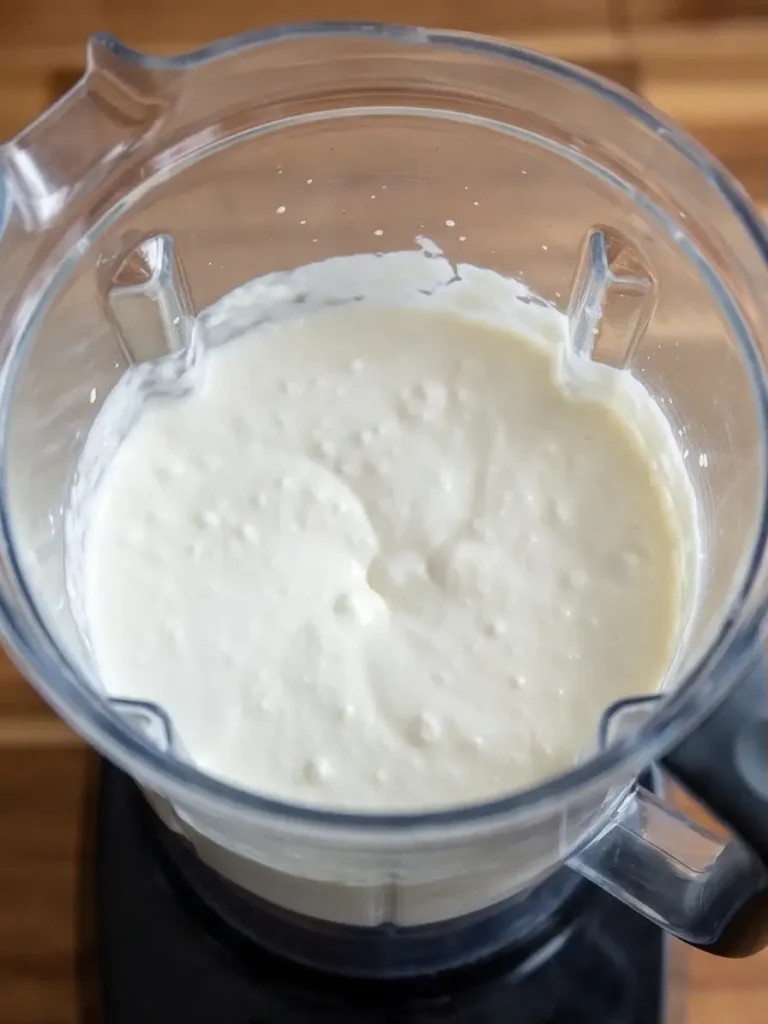
Preheat oven to 375°F and line a baking sheet with parchment paper. Add the cottage cheese to a blender or food processor and blend until completely smooth and creamy, with no visible curds.
Step 2 — Add the Eggs
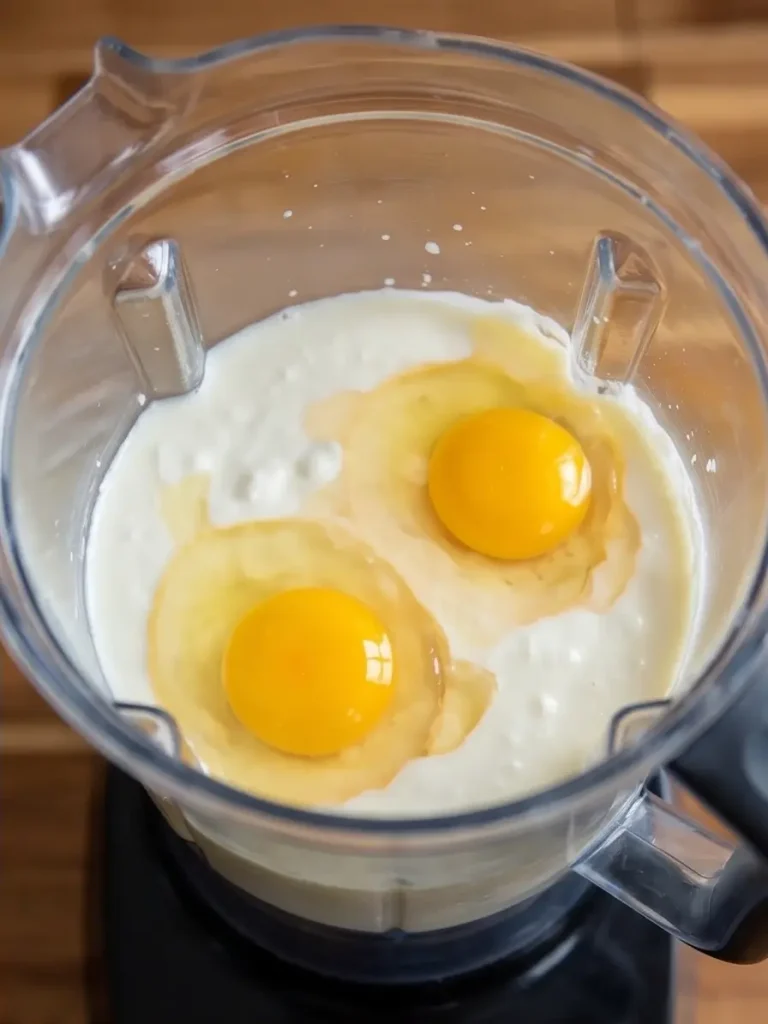
Add the eggs to the blended cottage cheese. Blend or whisk until the mixture is completely smooth and evenly combined.
Step 3 — Spread the Batter
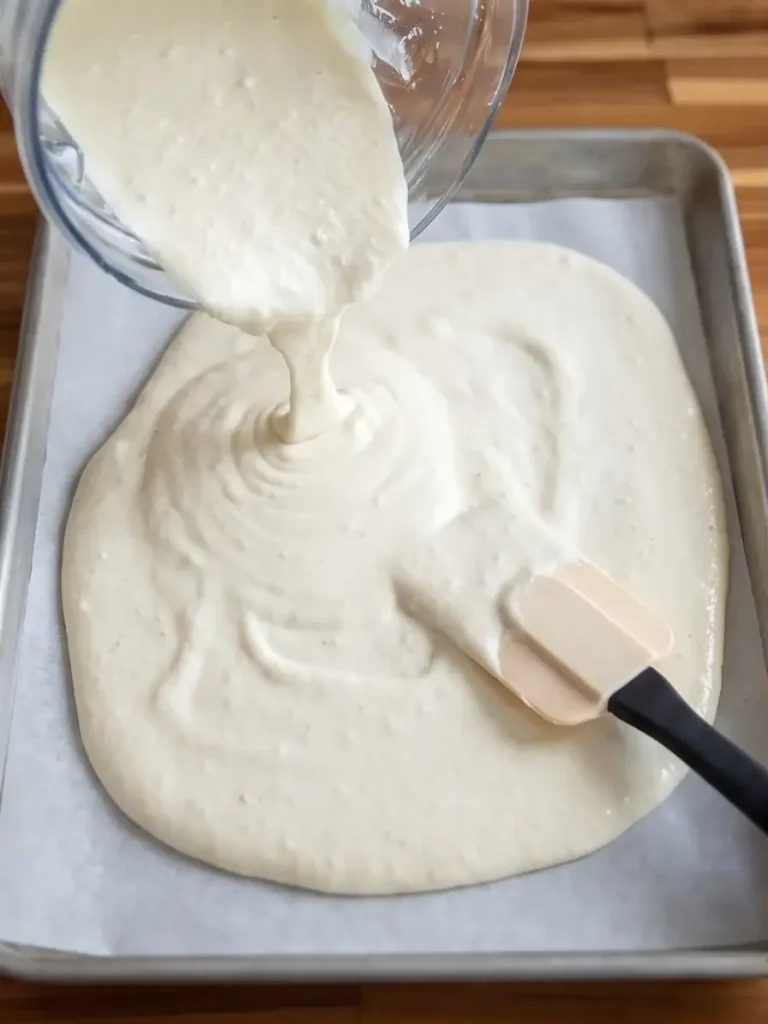
Pour the mixture onto the prepared baking sheet. Use a spatula to spread it into an even rectangle about 1/4 inch thick. If desired, sprinkle the top with a little salt, garlic powder, or dried herbs.
Step 4 — Bake
Bake for 18–22 minutes, until the flatbread is set throughout, golden on top, and lightly browned around the edges.
Step 5 — Cool & Release
Let the flatbread cool for a few minutes, then carefully peel it away from the parchment paper.
Step 6 — Serve
Slice, fold, or use as a sandwich wrap or bread substitute. Serve warm or at room temperature.
How to Serve It
The flatbread is wonderfully versatile and works in almost any role a traditional flatbread would play. Use it as a wrap base for grilled chicken, avocado, and fresh vegetables — it folds cleanly without cracking and holds fillings securely for a genuinely satisfying high-protein lunch. Top with hummus, sliced cucumbers, tomatoes, and fresh herbs for a Mediterranean-inspired snack that is as nutritious as it is delicious. Use as a pizza base with marinara and shredded mozzarella broiled for 3 minutes for the easiest possible personal pizza. Serve alongside soup or salad as a lighter bread alternative that complements almost any meal without overpowering it. For a protein-packed breakfast pairing, serve alongside our Spinach and Feta Pancakes for a genuinely nourishing morning spread.
Leftovers & Storage
Store leftover flatbread in an airtight container or wrapped tightly in plastic wrap in the fridge for up to 3 days. Enjoy cold as a wrap or snack base straight from the fridge, or warm briefly in a dry skillet over medium heat for 1 minute per side to restore its flexibility and slightly warm, freshly baked quality. The flatbread actually becomes slightly firmer and even more handleable after a day in the fridge — making it an excellent meal prep option to bake in advance and use throughout the week for quick lunches and snacks that require almost no additional prep time. This flatbread does not freeze well — it becomes watery and loses its texture after thawing. Make fresh batches as needed since the 25-minute total time makes it quick to prepare whenever you need it.
Make It Even Better (Pro Tips)
- Blend the cottage cheese completely smooth before adding the eggs — any remaining curd texture creates uneven spots in the baked flatbread that affect both the final texture and the appearance.
- Use a high-powered blender rather than a food processor if possible — it produces a more completely smooth, almost liquid cottage cheese base that bakes into the most even, consistent flatbread.
- Spread the mixture to a genuinely even 1/4-inch thickness all the way to the edges — thick spots stay soft and slightly doughy while thin spots overbrown before the thicker center is fully set.
- Use good quality parchment paper rather than foil or a bare baking sheet — the flatbread peels cleanly and completely from parchment without tearing, while it sticks firmly to foil and ungreased pans.
- Add the optional seasonings directly to the batter rather than just sprinkling on top — mixing garlic powder, dried herbs, or a pinch of salt into the blended mixture distributes the flavor more evenly throughout every bite.
- Allow to cool for the full few minutes before peeling from the parchment — the flatbread is delicate when very hot and firms up enough to peel cleanly after a brief rest.
- Don’t overbake — the flatbread should be golden and set but still pliable enough to fold. An overbaked flatbread becomes brittle and cracks when folded rather than bending cleanly.
Easy Ways to Change It Up
- Everything bagel version: Sprinkle everything bagel seasoning generously over the surface before baking for a boldly flavored flatbread that is completely addictive as a snack or sandwich base.
- Italian herb version: Add 1/2 teaspoon each of dried oregano, basil, and garlic powder to the batter for a more savory, herb-forward flatbread that pairs beautifully with tomatoes, mozzarella, and fresh basil.
- Cheesy version: Stir 2 tablespoons of finely grated Parmesan directly into the batter before spreading for a richer, more deeply savory flatbread with extra cheese flavor throughout every bite.
- Spicy version: Add a pinch of cayenne and a teaspoon of smoked paprika to the batter for a warmly spiced flatbread that works beautifully as a wrap base for pulled chicken or spicy black beans.
- Sweet version: Add a teaspoon of vanilla extract and a tablespoon of honey to the batter for a subtly sweet flatbread that works beautifully topped with fresh berries, Greek yogurt, and a drizzle of honey for a high-protein breakfast treat.
Quick Questions
Does this taste eggy?
No — the cottage cheese completely dominates the flavor profile of the finished flatbread and the egg flavor is essentially undetectable in the finished result. The flatbread tastes mildly savory and slightly tangy from the cottage cheese with a genuinely bread-like quality that is far more neutral and versatile than you might expect from a recipe made primarily from dairy and eggs. Adding the optional salt and garlic powder makes it taste even more convincingly like a proper seasoned flatbread.
Can I make this without a blender?
Yes — use a fork or a hand mixer to mash the cottage cheese as smoothly as possible before whisking in the eggs. The result will have slightly more texture than a blended version as it is very difficult to completely eliminate all the curd texture by hand — but the flatbread will still bake up, set properly, and taste delicious. A small immersion blender or food processor works very well as a blender alternative and produces a nearly identical smooth result.
Is this actually gluten-free?
Yes — the base recipe of cottage cheese and eggs contains no gluten whatsoever making it naturally gluten-free. Always verify that your specific cottage cheese brand does not contain any gluten-containing additives or thickeners if you are cooking for someone with celiac disease or a severe gluten intolerance — most plain cottage cheeses are naturally gluten-free but labels are always worth checking for cross-contamination warnings if gluten sensitivity is a serious concern.
Make this 2-ingredient cottage cheese flatbread this week and discover the simplest, most protein-packed homemade bread alternative you have ever made. Tried it? Leave a comment below and tell me what you topped or filled yours with! — Ava

2-Ingredient Cottage Cheese Flatbread
Ingredients
Equipment
Method
- Preheat oven to 375°F. Line a baking sheet with parchment paper.
- Add the cottage cheese to a blender or food processor and blend until completely smooth with no visible curds remaining.
- Add the eggs to the blended cottage cheese and blend or whisk until fully combined and uniformly smooth.
- Pour the mixture onto the prepared baking sheet. Using a spatula, spread into an even rectangle approximately 1/4 inch thick. Sprinkle with optional salt, garlic powder, or dried herbs if desired.
- Bake for 18–22 minutes until golden on top, set throughout, and the edges are lightly browned.
- Allow to cool for a few minutes then carefully peel from the parchment paper.
- Slice, fold, or use as a sandwich base. Serve warm or at room temperature.